
All You Need to Know About Precast Concrete
By Fundi Link3 min read
What precast concrete is, how it is made, and its key advantages and disadvantages for modern construction projects.
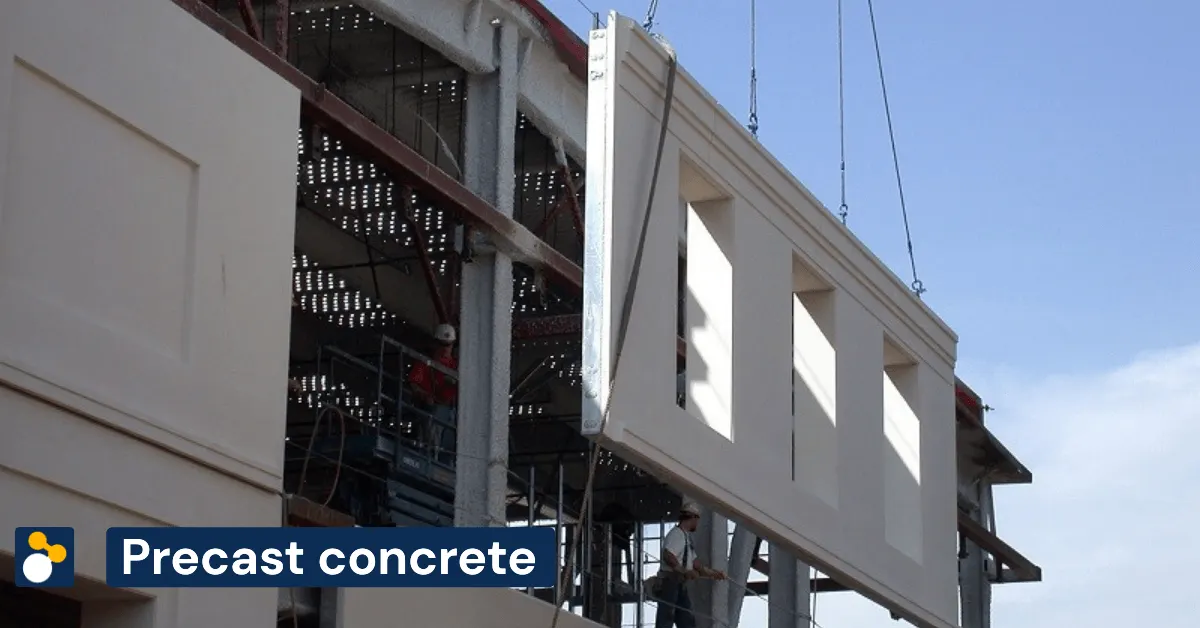
Precast concrete is a type of construction material that is becoming increasingly popular due to its versatility, durability, and efficiency. In this article, we will explore what precast concrete is, how it is made, and its advantages and disadvantages.
What is Precast Concrete?
Precast concrete is a type of construction material that is made in a factory or off-site location and transported to a construction site for installation.

It is created by pouring concrete into molds, which are then cured under controlled conditions, allowing for uniform quality and consistency.
Precast concrete products can be used for a wide range of applications, including walls, floors, columns, beams, stairs, and architectural elements.
Advantages of Precast Concrete
Durability: Precast concrete is highly durable and resistant to wear and tear, making it an ideal material for structures that will be subjected to harsh environments or heavy loads.
Time and cost savings: It is made off-site, allowing for faster construction times and reducing labor costs. Additionally, the controlled manufacturing process ensures a high level of quality, reducing the need for rework and repairs on-site.
Versatility: It can be used for a wide range of applications, including architectural elements such as cladding, balustrades, and decorative panels, as well as for structural elements such as beams, columns, and slabs.
Sustainability: It is a sustainable building material that is made from natural materials and can be recycled at the end of its life cycle.
Fire resistance: It is highly fire-resistant, making it a safe material for use in structures that may be subjected to high temperatures or flames.
Disadvantages of Precast Concrete
Limited flexibility: It is made to specific shapes and sizes, which can limit the design options for architects and engineers.
Transportation challenges: Precast concrete products can be heavy and difficult to transport, which can increase transportation costs and limit access to certain sites.
Site preparation: Precast concrete products require a level and stable foundation for installation, which can add to the overall cost of the project.
Conclusion
Overall, precast concrete is a versatile, durable, and efficient building material that has many advantages over traditional construction materials.
While there are some disadvantages, such as limited flexibility and transportation challenges, the benefits of precast concrete make it a popular choice for a wide range of construction projects.
As the demand for sustainable and efficient building materials increases, precast concrete is likely to become even more prevalent in the construction industry.
Recommended read: About Precast Concrete Walls
Frequently Asked Questions
- What is precast concrete and how is it made?
Precast concrete is a construction material made by pouring concrete into molds at a factory or off-site location, then curing it under controlled conditions. This process ensures uniform quality and consistency before the products are transported to the construction site.
- What are the main advantages of using precast concrete in construction?
Precast concrete offers durability, time and cost savings, versatility for various applications, sustainability, and fire resistance. It allows faster construction with less on-site labor and produces high-quality, long-lasting structures.
- Are there any disadvantages to using precast concrete?
Yes, precast concrete has limited flexibility since it is made to specific shapes and sizes. Transportation can be challenging and costly due to the weight of the products, and site preparation requires a level, stable foundation, which may increase project costs.
- What types of construction elements can be made using precast concrete?
Precast concrete can be used for walls, floors, columns, beams, stairs, and architectural elements like cladding, balustrades, and decorative panels, making it highly versatile for both structural and aesthetic purposes.
- How sustainable is precast concrete as a building material?
Precast concrete is considered sustainable because it is made from natural materials and can be recycled at the end of its life cycle. Its durability also means fewer repairs and replacements, reducing environmental impact over time.
- Where can I learn more about precast concrete walls?
You can find more detailed information about precast concrete walls in our recommended read section: About Precast Concrete Walls.
Comments
Plain-text comments only — no links. Comments appear after verification.
Loading comments…