
Biophilic Design: Bringing Nature into the Built World
By Fundi Link3 min read
Biophilic design integrates nature into homes, offices, healthcare, and public spaces—boosting wellbeing, creativity, and connection to the outdoors.
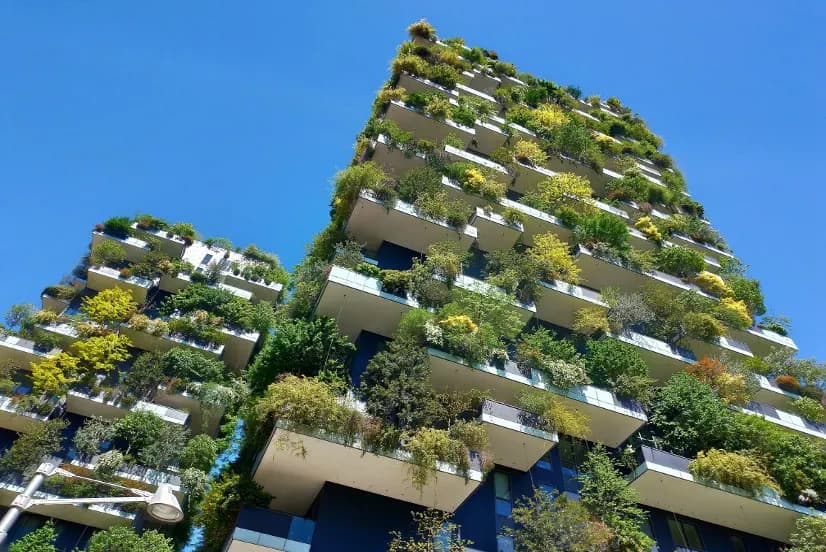
In our modern, urban lifestyles, many of us spend the majority of our time indoors – homes, offices, schools, and other built environments. This disconnect from the natural world can take a toll on our mental and physical well-being. However, an innovative design approach called biophilic design aims to bridge this gap by seamlessly integrating elements of nature into the constructed spaces we inhabit daily.
What is Biophilic Design?
Biophilia is defined as the intrinsic human tendency to seek connections with nature and natural systems. Biophilic design translates this concept into the built environment, bringing in natural materials, forms, patterns, and processes. The goal is to create spaces that evoke the calming yet vitalizing effects of nature and provide occupants with a tangible link to the outdoor environment.

Key Principles and Benefits
At its core, biophilic design revolves around several guiding principles:
- Natural materials and textures like wood, stone, and vegetation
- Incorporation of natural light, airflow, and views to the outdoors
- Biomimicry – using designs inspired by patterns found in nature
- Inclusion of water features, green walls, and landscaped areas
- Human-nature connections through sensory experiences
By thoughtfully applying these elements, biophilic design offers numerous scientifically-backed benefits for occupant well-being and productivity:
- Reduced stress and anxiety levels
- Improved cognitive function and creativity
- Enhanced air quality and physical health
- Increased emotional connections to spaces
From Home to Office to Public Spaces
The principles of biophilic design can be applied across a wide range of built environments, making them more nurturing and human-centric.
Residential Spaces: Biophilic homes incorporate open layouts with abundant natural light, green roofs, internal courtyards, and natural material finishes to create a calming, restorative ambiance.
Workplaces: Offices that integrate elements like green walls, water features, and natural ventilation have been shown to boost employee productivity, satisfaction, and well-being.
Healthcare Facilities: Hospitals and clinics are embracing biophilic design with healing gardens, nature views from patient rooms, and natural material finishes to aid recovery and reduce stress.
Public Spaces: Biophilic design enriches urban environments through green infrastructure like parks, living walls, and tree-lined streets, improving air quality and providing urban retreats.
As society becomes increasingly aware of the profound connections between the built environment and human health, biophilic design presents a holistic approach to creating nurturing spaces that support our innate need for nature. By thoughtfully blending the natural and man-made, we can create built environments that are not only functionally sound but also restorative and inspiring places to live, work, and thrive.
Frequently Asked Questions
- What is biophilic design and why is it important?
Biophilic design is an approach that integrates natural elements like materials, light, and greenery into built environments to connect people with nature. It is important because it enhances wellbeing, reduces stress, and improves creativity and productivity by bringing the calming effects of nature indoors.
- What are the key principles of biophilic design?
Key principles include using natural materials (wood, stone, vegetation), maximizing natural light and airflow, incorporating biomimicry patterns, adding water features and green walls, and creating sensory connections to nature. These elements work together to create spaces that feel restorative and nurturing.
- How can biophilic design benefit workplaces in Kenya and East Africa?
In offices, biophilic design elements such as green walls, natural ventilation, and water features can boost employee productivity, satisfaction, and overall wellbeing. These improvements can lead to healthier, more creative work environments that support staff performance.
- Can biophilic design be applied to residential buildings?
Yes, biophilic homes often feature open layouts with plenty of natural light, green roofs, internal courtyards, and natural finishes. These features create calming, restorative living spaces that improve mental and physical health for residents.
- How does biophilic design improve public spaces in urban areas?
Biophilic design enriches urban public spaces by incorporating green infrastructure like parks, tree-lined streets, and living walls. These elements improve air quality, provide urban retreats, and foster emotional connections to the environment, enhancing community wellbeing.
- Is biophilic design used in healthcare facilities?
Yes, hospitals and clinics use biophilic design by including healing gardens, nature views from patient rooms, and natural materials. These features help reduce patient stress, aid recovery, and create more comforting healthcare environments.
Comments
Plain-text comments only — no links. Comments appear after verification.
Loading comments…