
Maximizing Safety in Construction: 9 Essential Tips for Workers
By Fundi Link4 min read
Nine essential construction safety tips for workers in Kenya — PPE, hazard awareness, site housekeeping, and how to protect yourself and the public on site.
The Importance of Safety in Construction
Construction is an inherently risky industry, with numerous hazards that pose serious threats to workers and the public. In Kenya alone, there are approximately 1,000 construction-related fatalities reported annually. Given these alarming statistics, it becomes crucial to prioritize safety on construction sites and mitigate potential risks.
Why is safety important in construction?
Safety holds immense significance in the construction industry for several reasons. First and foremost, it ensures the well-being and protection of workers. Construction sites expose workers to various dangers, such as falls from heights, electrical shocks, and accidents involving heavy machinery. By diligently adhering to safety procedures, accidents and injuries can be significantly reduced.
Secondly, safety is essential for the general public. Construction sites are often situated in busy areas where members of the public are at risk of being harmed by falling objects or machinery accidents. By strictly following safety protocols, we can safeguard the public from potential harm and maintain their trust in the construction industry.
Lastly, safety plays a crucial role in the financial stability of construction businesses. Accidents and injuries can lead to decreased productivity, escalated insurance premiums, and even legal disputes. By prioritizing safety measures, construction companies can protect themselves from substantial financial losses and maintain a positive reputation within the industry.
How to stay safe on a construction site
To ensure safety on construction sites, there are several key practices that should be followed. Here are some essential tips:
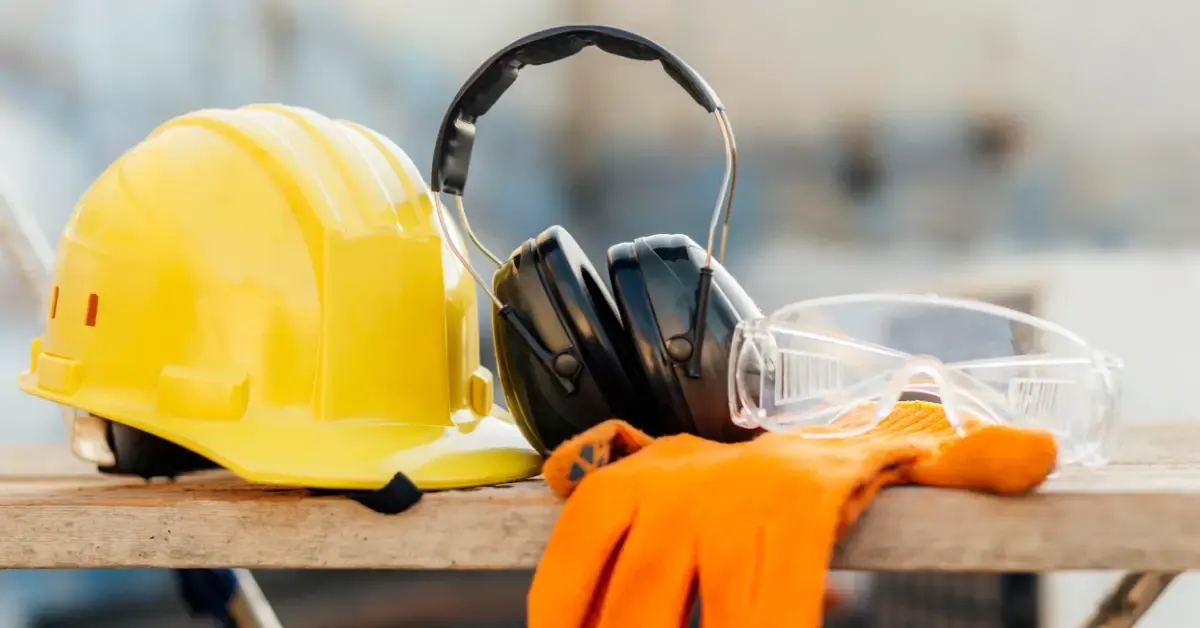
- Wear appropriate safety gear: Always wear the proper protective equipment, including hard hats, safety glasses, steel-toed boots, and reflective vests. These items serve as crucial safeguards in the event of accidents or mishaps.
- Follow safety procedures: Adhere to established safety guidelines and regulations. Use the correct tools and equipment for each task, and work in a safe and responsible manner. For example, when using a ladder, ensure it is properly secured and utilized in accordance with safety protocols.
- Stay aware of your surroundings: Continuously be vigilant of potential hazards, such as falling objects, uneven surfaces, and live electrical wires. Remain cautious and alert at all times. If you are working near a construction zone, be mindful of the possibility of falling debris or objects.
- Report hazards promptly: If you come across any hazardous conditions or potential dangers, promptly report them to your supervisor. This proactive approach ensures that corrective measures can be implemented promptly, maintaining the safety of everyone on the construction site.

Additional tips for staying safe on a construction site
- Consider weather conditions: Pay attention to the weather and take extra precautions during inclement weather such as rain or strong winds. For instance, wear appropriate waterproof clothing and boots in wet conditions.
- Avoid working alone: Whenever possible, work with a partner or in a team. Collaborating with others allows for mutual assistance and enhances overall safety.
- Take regular breaks: Avoid overexertion by taking frequent breaks to rest and hydrate. Adequate rest ensures that you remain alert and focused on the tasks at hand, reducing the risk of accidents.
- Practice proper lifting techniques: When lifting heavy objects, use proper lifting techniques to avoid strain or injury. Bend your knees, keep your back straight, and lift with your legs rather than your back. If an object is too heavy to lift safely, seek assistance or use mechanical aids.
- Maintain good housekeeping: Keep the construction site clean and well-organized to minimize potential hazards. Clear debris, tools, and equipment from walkways and work areas to prevent tripping or slipping accidents. Regularly inspect and maintain the site to ensure a safe and clutter-free environment.
Recommended read: Site safety and fatalities (The Standard).
Frequently Asked Questions
- Why is safety important in the construction industry in Kenya?
Safety is crucial because construction sites pose risks such as falls, electrical shocks, and machinery accidents that can harm workers and the public. Prioritizing safety reduces injuries, protects the public, and helps construction businesses avoid financial losses and legal issues.
- What personal protective equipment (PPE) should construction workers wear?
Workers should wear hard hats, safety glasses, steel-toed boots, and reflective vests. These items protect against common site hazards and help prevent serious injuries.
- How can construction workers stay aware of hazards on site?
Workers should continuously monitor their surroundings for dangers like falling objects, uneven surfaces, and live wires. Staying alert and reporting hazards promptly to supervisors helps maintain a safe environment.
- What additional precautions should be taken during bad weather on construction sites?
During rain or strong winds, workers should wear waterproof clothing and boots, and take extra care to avoid slips or accidents caused by slippery surfaces or unstable equipment.
- Why is good housekeeping important on construction sites?
Keeping the site clean and organized reduces tripping and slipping hazards. Clearing debris and properly storing tools ensures safer walkways and work areas, minimizing accidents.
- How can workers prevent injuries when lifting heavy objects?
Use proper lifting techniques: bend your knees, keep your back straight, and lift with your legs. If an object is too heavy, ask for help or use mechanical aids to avoid strain or injury. For more safety tips, see Maximizing Safety in Construction.
Comments
Plain-text comments only — no links. Comments appear after verification.
Loading comments…