
Differences Between Ceramic Tiles and Porcelain Tiles
By Fundi Link4 min read
Ceramic vs porcelain tiles compared — composition, durability, maintenance, and cost — to help you pick the right tile for your home or commercial space.
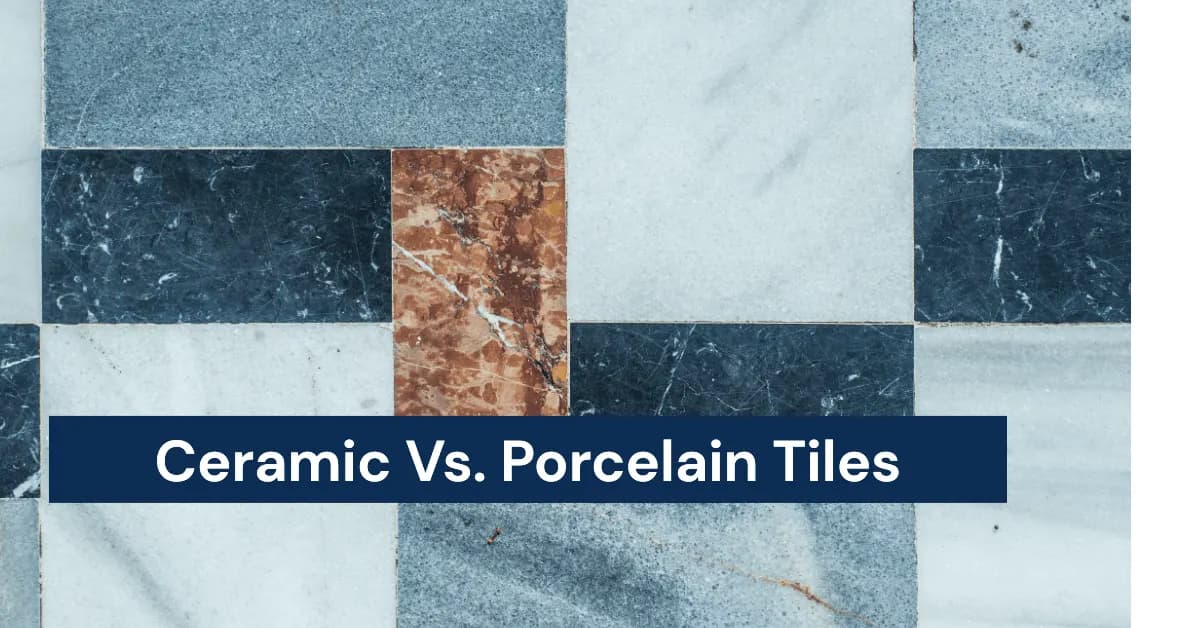
When it comes to choosing the perfect tiles for your home or commercial space, there are several options to consider. However, two of the most popular options are ceramic tiles and porcelain tiles.
While both of these tiles offer a wide range of benefits, they differ in terms of their composition, durability, and maintenance.
Today, we will discuss the key differences between ceramic tiles and porcelain tiles, to help you choose the best option for your need.
Differences between Ceramic tiles and Porcelain tiles
1. Composition
Ceramic tiles are made from a mixture of clay, water, and other natural materials. This mixture is then fired at a high temperature to create a hard, durable material.
Ceramic tiles are available in a variety of shapes, sizes, colors, and textures, making them a popular choice for many interior and exterior applications.
Porcelain tiles, on the other hand, are made from a more refined clay mixture that includes feldspar, quartz, and kaolin.
This mixture is then fired at an even higher temperature than ceramic tiles, resulting in a denser, harder material. Porcelain tiles are also available in a wide range of colors, patterns, and textures, making them an excellent option for both residential and commercial settings.
2. Durability
When it comes to durability, porcelain tiles are considered to be the stronger of the two options. Due to their composition and firing process, porcelain tiles are denser, harder, and less porous than ceramic tiles.
This means that they are less prone to chipping, cracking, or scratching, making them an ideal choice for high-traffic areas or outdoor installations.
Ceramic tiles, on the other hand, are softer and more porous than porcelain tiles, which can make them more prone to damage.
While they are still a durable option, ceramic tiles may be better suited for areas with less foot traffic or for use in walls rather than floors.
3. Maintenance
Both ceramic and porcelain tiles are relatively easy to maintain and clean. They are both water-resistant, which means that they can be used in bathrooms, kitchens, and other areas that may be exposed to moisture.
However, due to their different levels of porosity, ceramic and porcelain tiles may require different levels of maintenance.
Ceramic tiles are more porous, which means that they may be more prone to staining or discoloration over time. They may require more frequent cleaning or sealing to maintain their appearance.
Porcelain tiles, on the other hand, are less porous and more resistant to stains and discoloration. They are also less likely to absorb water, which means that they may be a better option for areas that are frequently exposed to moisture.
4. Cost
When it comes to cost, ceramic tiles are generally more affordable than porcelain tiles. This is because ceramic tiles are easier to manufacture and require less time and energy to produce.
However, it’s important to note that the cost of tiles can vary depending on several factors, such as size, shape, color, and texture.
It’s also important to consider the long-term cost of your tiles, as porcelain tiles may require less maintenance and replacement over time, which can make them a more cost-effective option in the long run.
In conclusion, when choosing between ceramic and porcelain tiles, it’s important to consider your specific needs, preferences, and budget to make an informed decision that will meet your requirements and provide long-lasting value.
Table summary: Ceramic tiles vs. Porcelain tiles
| Feature | Ceramic tiles | Porcelain tiles |
|---|---|---|
| Composition | Clay, water, and natural materials fired at high temperature | Refined clay with feldspar, quartz, and kaolin; fired at a higher temperature |
| Durability | Softer and more porous; suited to low-traffic areas and walls | Denser and harder; ideal for high-traffic areas and outdoor use |
| Maintenance | More porous; may stain and need more frequent cleaning or sealing | Less porous; more stain-resistant and better in wet areas |
| Cost | Generally more affordable upfront | Higher upfront cost; may cost less over time due to durability |
Frequently Asked Questions
- What are the main differences between ceramic and porcelain tiles?
Ceramic tiles are made from a mixture of clay and natural materials fired at high temperatures, while porcelain tiles use a refined clay mixture with feldspar, quartz, and kaolin fired at even higher temperatures. Porcelain tiles are denser, harder, and less porous compared to ceramic tiles, making them more durable and moisture-resistant.
- Which tile type is more durable for high-traffic areas?
Porcelain tiles are more durable and better suited for high-traffic areas due to their density and hardness. They resist chipping, cracking, and scratching better than ceramic tiles, which are softer and more porous, making porcelain ideal for both indoor and outdoor heavy-use spaces.
- How do maintenance requirements differ between ceramic and porcelain tiles?
Ceramic tiles are more porous and may require more frequent cleaning or sealing to prevent staining and discoloration. Porcelain tiles are less porous, more stain-resistant, and better suited for wet areas like bathrooms and kitchens, requiring less maintenance overall.
- Are ceramic tiles more affordable than porcelain tiles in Kenya?
Yes, ceramic tiles generally have a lower upfront cost because they are easier and less energy-intensive to manufacture. However, porcelain tiles may be more cost-effective long-term due to their superior durability and lower maintenance needs.
- Can ceramic tiles be used outdoors in East Africa’s climate?
Ceramic tiles are softer and more porous, making them less ideal for outdoor use, especially in areas with heavy foot traffic or exposure to moisture. Porcelain tiles are recommended for outdoor installations due to their density and resistance to weather elements.
- How do I choose between ceramic and porcelain tiles for my home or commercial project?
Consider your specific needs such as traffic levels, exposure to moisture, budget, and maintenance preferences. For high-traffic or outdoor areas, porcelain tiles are best; for low-traffic or decorative wall applications, ceramic tiles may suffice. For more guidance, see the detailed comparison in the Differences Between Ceramic Tiles and Porcelain Tiles.
Comments
Plain-text comments only — no links. Comments appear after verification.
Loading comments…