
What to Consider When Selecting Type and Size of Tiles
By Fundi Link4 min read
A practical guide to choosing tile size and tile type — room size, style, durability, water resistance, budget, maintenance, and more.
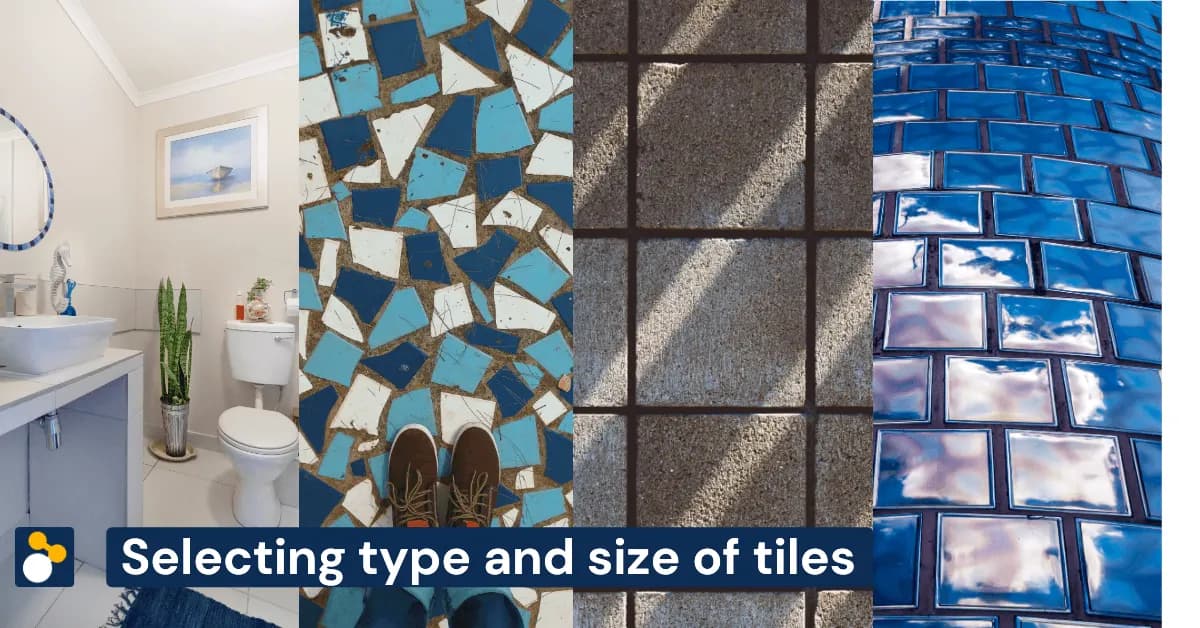
Tiles are an excellent way to add style and functionality to your home’s flooring, walls, or backsplash. With numerous sizes, shapes, colors, and materials available, choosing the right type and size of tile can be an overwhelming task.
Two of the most important aspects of consideration are tile type and tile size. In this post, we will discuss factors to be considered when selecting the best tile size and tile type and also provide some helpful tips to help you make an informed decision. Let’s start with size of tiles.
Factors to consider when selecting the best tiles size
When selecting the best size of tiles for a homeowner’s needs, there are several factors to consider:
1. Room size
The size of the room where the tiles will be installed is a crucial factor to consider. Large tiles in a small room can make the space feel cramped, while small tiles in a large room can make it feel too busy. As a general rule, larger tiles are best for larger rooms, and smaller tiles are best for smaller rooms.
2. Room style
The style of the room can also be a factor in selecting tile size. For example, traditional or rustic styles may work best with smaller tiles, while contemporary or modern styles may be better suited for larger tiles.
3. Tile Design
The design of the tile can also influence the size selection. If the tile has a busy pattern, then smaller tiles can help to reduce the visual clutter, while larger tiles will help to highlight the pattern.
4. Maintenance
The size of the tile can also affect the maintenance required. Larger tiles have fewer grout lines, which can make them easier to clean and maintain, while smaller tiles may require more upkeep.
5. Grout Lines
The size of the grout lines can also affect the tile size selection. If the homeowner wants narrow grout lines, smaller tiles can be used to achieve this look, while larger tiles may require wider grout lines.
6. Installation cost
The size of the tile can also affect the installation cost. Larger tiles require more time and effort to install, which can make them more expensive to install than smaller tiles.
Now let’s look at what to look for when selecting type of tiles…
Factors to consider when selecting tile type for your home
When selecting the type of tiles for your home, there are several factors to consider:
1. Budget
The cost of the tiles is also an important consideration. Different types of tiles come at different price points, and it is important to choose tiles that fit within your budget.
2. Durability
One of the most important factors to consider is the durability of the tiles. Tiles that are durable and can withstand wear and tear are ideal for high-traffic areas such as the kitchen, hallway, or entryway. Ceramic or porcelain tiles are popular choices for their durability.
3. Water resistance
If the tiles will be installed in wet areas such as the bathroom or kitchen, it is important to choose tiles that are water-resistant. Porcelain, ceramic, and natural stone tiles are all good choices for wet areas.
4. Slip resistance
In areas where the tiles may be wet, such as the bathroom or kitchen, it is important to choose tiles that are slip-resistant to prevent accidents. Some types of tiles, such as textured or matte-finished tiles, offer better slip resistance.
5. Style
The style of the tiles is also an important factor to consider. The tiles should complement the overall style of the room and the design aesthetic of the home. Different types of tiles, such as ceramic, porcelain, natural stone, or glass, offer different styles and design options.
6. Maintenance
The level of maintenance required for the tiles is also an important consideration. Some tiles, such as natural stone, require more upkeep and regular sealing, while ceramic and porcelain tiles are generally easier to maintain.
7. Environmental impact
If you are concerned about the environmental impact of the tiles, it is important to consider tiles made from sustainable materials, such as bamboo or recycled glass.
In conclusion, it is important for all homeowners to consider these factors when selecting the best size and type of tiles for their needs. By taking these factors into account, they can choose the right tiles that will not only look great but also be functional and practical for their homes.
Recommended read: 7 Different Types of Tiles
Frequently Asked Questions
- How do I choose the right tile size for my room?
Consider the size of the room first: larger tiles suit larger rooms, while smaller tiles work better in smaller spaces. Also, think about the room style and tile design, as these influence the tile size choice. Larger tiles have fewer grout lines, making maintenance easier, but may cost more to install. For more details, see factors to consider when selecting tile size.
- What tile types are best for wet areas like bathrooms and kitchens?
Porcelain, ceramic, and natural stone tiles are excellent choices for wet areas due to their water resistance. Additionally, selecting slip-resistant tiles such as textured or matte-finished varieties helps prevent accidents in these spaces. Learn more about tile types and their uses in the article.
- How does tile size affect maintenance and cleaning?
Larger tiles have fewer grout lines, which means less grout to clean and maintain, making them easier to upkeep. Smaller tiles have more grout lines, which can require more frequent cleaning and maintenance to keep them looking good.
- What should I consider about tile durability for high-traffic areas?
Durability is key for areas like kitchens, hallways, and entryways. Ceramic and porcelain tiles are popular for their strength and ability to withstand wear and tear, making them ideal for these spaces.
- How does budget influence the choice of tile type?
Tile prices vary widely depending on the material and style. It’s important to select tiles that fit your budget while meeting your durability and style needs. Ceramic and porcelain tiles often offer a good balance between cost and performance.
- Are there environmentally friendly tile options available?
Yes, tiles made from sustainable materials such as bamboo or recycled glass offer eco-friendly alternatives. Considering the environmental impact can help you choose tiles that are both stylish and sustainable.
Comments
Plain-text comments only — no links. Comments appear after verification.
Loading comments…