
7 Different Types of Tiles
By Fundi Link4 min read
From ceramic and porcelain to natural stone, glass, cement, metal, and leather — explore seven tile types, their pros and cons, and how to choose.
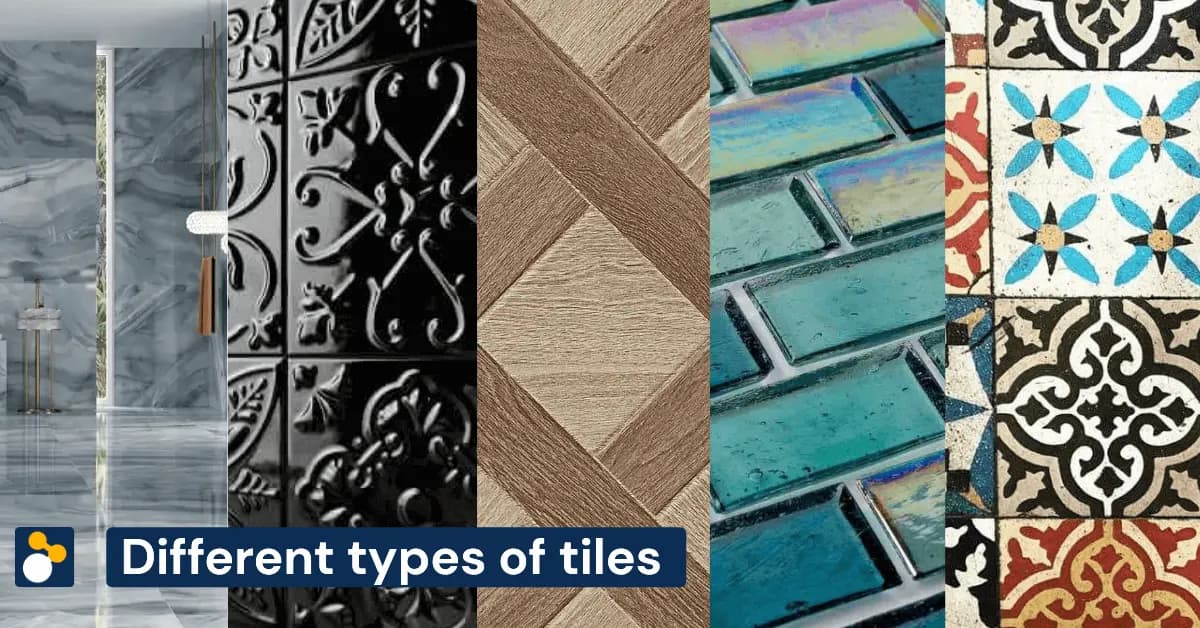
Tiles are one of the most versatile and popular flooring options for both residential and commercial spaces. They are durable, easy to clean, and they come in a wide variety of styles, colors, and textures, making them suitable for any design scheme.
From ceramic to porcelain, natural stone to glass, each type of tile has its unique features and benefits. In this blog post, we will explore the different types of tiles, their characteristics, and the pros and cons of each. By the end of this article, you will have a better understanding of the type of tile that will best suit your needs and preferences.
Different types of tiles
1. Ceramic Tiles
Ceramic tiles are made from clay and are fired in a kiln at high temperatures. They are a popular choice for their durability, affordability, and easy maintenance.
Ceramic tiles come in a variety of sizes, colors, and patterns, making them suitable for any design scheme. However, they are prone to cracking and chipping, and are not suitable for outdoor use.
2. Porcelain Tiles
Porcelain tiles are similar to ceramic tiles, but they are made from denser clay and fired at higher temperatures.
They are known for their durability, water resistance, and easy maintenance. Porcelain tiles come in a variety of colors and finishes, including matte and glossy, and can be made to resemble natural stone or wood.
They are suitable for both indoor and outdoor use, making them a versatile choice.
3. Natural Stone Tiles
Natural stone tiles are made from materials such as granite, marble, limestone, and travertine and are known for their unique patterns and textures, making them a popular choice for high-end designs.
Natural stone tiles are durable, but require more maintenance than other types of tiles, as they are prone to staining and etching. They are not suitable for outdoor use in areas with freezing temperatures.
4. Glass Tiles
Glass tiles are made from thin pieces of glass that are fused together in a kiln and are known for their translucency and can be used to create stunning visual effects.
Glass tiles come in a variety of colors, shapes, and sizes, and are suitable for both indoor and outdoor use. However, they are more prone to scratching and chipping than other types of tiles.
5. Cement Tiles
Cement tiles are made from a mixture of cement, sand, and pigments. They are known for their durability, and can be used for both indoor and outdoor applications.
Cement tiles come in a variety of colors and patterns, and can be customized to create unique designs. They are suitable for high-traffic areas, but require periodic sealing to maintain their appearance.
6. Metal Tiles
Metal tiles are made from materials such as stainless steel, aluminum, and copper. They are known for their durability and resistance to water and fire.
Metal tiles come in a variety of finishes, including polished, brushed, and matte, and can be used for both indoor and outdoor applications. They are suitable for modern and industrial designs, but can be prone to scratching and denting.
7. Leather Tiles
Leather tiles are made from natural or synthetic leather that is bonded to a backing material.
They are known for their luxurious texture and softness, and can be used for both flooring and wall surfaces.
Leather tiles come in a variety of colors and finishes, including embossed and quilted, and are suitable for modern and contemporary designs. However, they require periodic conditioning to maintain their appearance.
Notes
- Choosing the right type of tile for your space depends on your needs and design preferences.
- Ceramic and porcelain tiles are popular choices for their durability and ease of maintenance, while natural stone and glass tiles are ideal for creating unique designs. Cement, metal, and leather tiles are suitable for modern and industrial designs, and add texture and visual interest to a space.
- Consider the characteristics of each type of tile to determine which one will best suit your needs and design scheme.
Frequently Asked Questions
- What are the main differences between ceramic and porcelain tiles?
Ceramic tiles are made from clay fired at lower temperatures, making them affordable but prone to chipping and unsuitable for outdoor use. Porcelain tiles are denser, fired at higher temperatures, more durable, water-resistant, and suitable for both indoor and outdoor use.
- Are natural stone tiles suitable for outdoor use in Kenya?
Natural stone tiles are durable but not recommended for outdoor areas with freezing temperatures. Since Kenya's climate is mostly warm, they can be used outdoors, but they require more maintenance to prevent staining and etching.
- How do glass tiles perform in high-traffic areas?
Glass tiles offer stunning visual effects and translucency but are more prone to scratching and chipping, so they may not be the best choice for high-traffic floors but work well for decorative walls or pool areas.
- What maintenance do cement tiles require?
Cement tiles are durable and suitable for indoor and outdoor use but need periodic sealing to maintain their appearance and protect against stains and wear.
- Can metal tiles be used in wet areas like kitchens and bathrooms?
Yes, metal tiles are water and fire-resistant, making them suitable for kitchens and bathrooms. However, they can scratch or dent, so care should be taken during installation and use.
- Are leather tiles practical for flooring in Kenyan homes?
Leather tiles add a luxurious texture and softness but require regular conditioning to maintain their look. They are better suited for low-traffic areas or wall applications in modern and contemporary designs.
For more details on choosing the right tile, see 7 Different Types of Tiles.
Comments
Plain-text comments only — no links. Comments appear after verification.
Loading comments…