
Building a New House: 6 Factors to Consider Before You Start
By Fundi Link4 min read
Planning a new build? Six essentials before you break ground — budget, location, design, materials, contractor selection, and a realistic timeline.
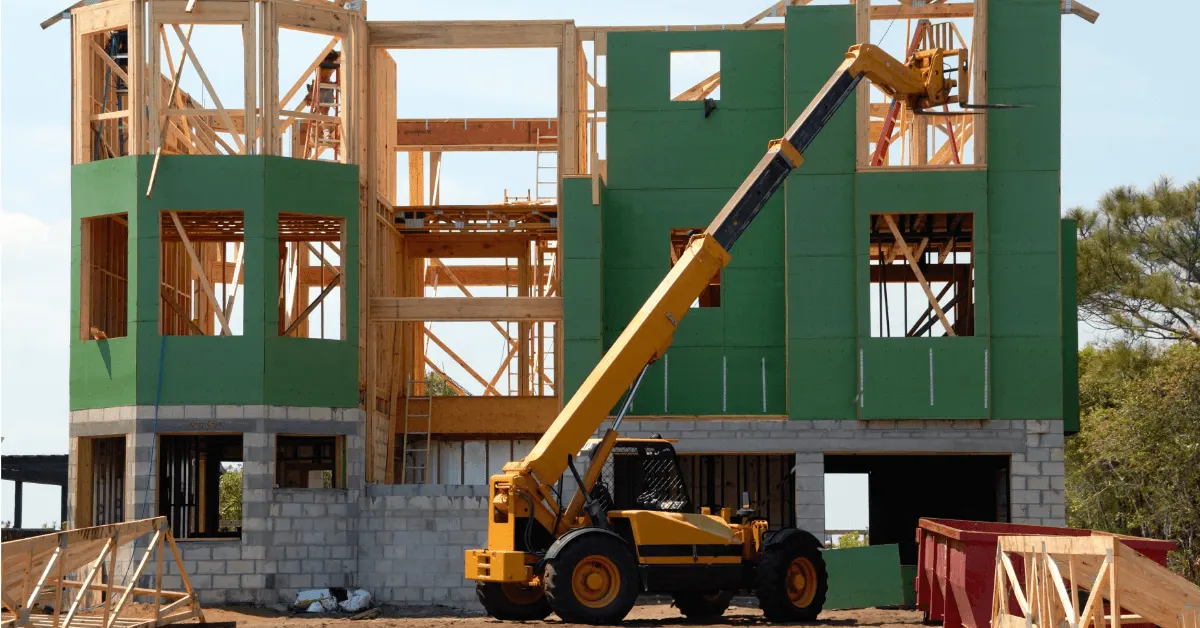
Building a new house can be an exciting and rewarding experience, but it also requires careful planning and consideration. Whether you are building your dream home from scratch or embarking on a renovation project, there are several important factors to consider before starting the building process.
In this article, we will explore some of the key considerations to keep in mind when deciding to build a new house.
Before you start building a new house, the following should be considered

1. Budget
The first consideration when building a new house is your budget. It is important to have a realistic budget in mind before starting the building process, as this will help guide all subsequent decisions.
You will need to factor in the cost of the land, materials, labor, and any additional fees such as permits and inspections. It is also important to build in a cushion for unexpected costs that may arise during the construction process.
2. Location
Another important factor to consider is the location of your new home. The location will impact not only the cost of the land, but also the design of the house and the amenities available in the surrounding area.
When selecting a location, consider factors such as access to public transportation, schools, shopping, and recreation areas.
3. Design
The design of your new home is another crucial consideration. When deciding on the design, you should think about the size and layout of the rooms, as well as any special features or amenities you would like to include, such as a home office, outdoor living area, or energy-efficient features.
It is also important to consider your future needs and whether the design will accommodate any changes, such as the addition of children or aging in place.
Recommended read: Maximizing Safety in Construction: 9 Essential Tips for Workers
4. Materials
The materials used to build your new home are another important consideration. The materials you choose will impact the cost of the project, as well as the overall energy efficiency, durability, and maintenance of the home.
It is important to consider the climate and environmental conditions in your area when selecting materials, as well as any regulations or restrictions on building materials.
5. Contractor
Selecting the right contractor is another important consideration when building a house. It is important to do your research and choose a reputable contractor with experience in building homes similar to the one you envision.
You should also check references and review past work to ensure the contractor’s work meets your standards. A good contractor will also be able to guide you through the building process and provide valuable input on design and materials.
6. Timeline
Finally, it is important to have a realistic timeline in mind for the building process. Building a new house is a complex process that requires careful planning and coordination, and unexpected delays can occur.
It is important to factor in a buffer for unexpected delays and ensure that your timeline is achievable given your budget and other considerations.

Whether you are building a new house from scratch or renovating an existing property, careful planning and consideration will help ensure a successful and rewarding outcome.
By taking the time to carefully consider your budget, location, design, materials, contractor, and timeline, you can ensure that your new home meets your needs and exceeds your expectations.
Frequently Asked Questions
- How do I determine a realistic budget for building a new house?
Start by factoring in the cost of land, materials, labor, permits, and inspections. It’s crucial to include a financial cushion for unexpected expenses during construction to avoid surprises. For detailed budgeting tips, see the Budget section.
- What should I consider when choosing the location for my new home?
Consider access to public transportation, schools, shopping centers, and recreational areas. The location also affects land cost and house design, so choose a site that fits your lifestyle and future needs. More on location factors is available in the Location section.
- How can I ensure the house design meets my current and future needs?
Think about room size, layout, and special features like a home office or outdoor living spaces. Also, plan for future changes such as family growth or aging in place to make your home adaptable. See the Design section for guidance.
- What factors should influence my choice of building materials?
Select materials that suit the local climate and environmental conditions, while considering durability, energy efficiency, and maintenance needs. Also, check for any local regulations on building materials. More details are in the Materials section.
- How do I choose the right contractor for my building project?
Research contractors with experience in similar home builds, check references, and review their past work. A reputable contractor will guide you through the process and help with design and material decisions. See the Contractor section for tips.
- Why is it important to have a realistic timeline for building a house?
Building a house involves many steps and potential delays, so a realistic timeline with a buffer for unexpected issues helps keep the project on track. Align your timeline with your budget and other factors for a smoother process. Learn more in the Timeline section.
Comments
Plain-text comments only — no links. Comments appear after verification.
Loading comments…