
Vinyl Flooring – Should you buy? Pros and Cons, vs Laminate
By Fundi Link3 min read
Vinyl flooring explained — composition, wear layer thickness, pros and cons, and how it compares to laminate for affordable home flooring.
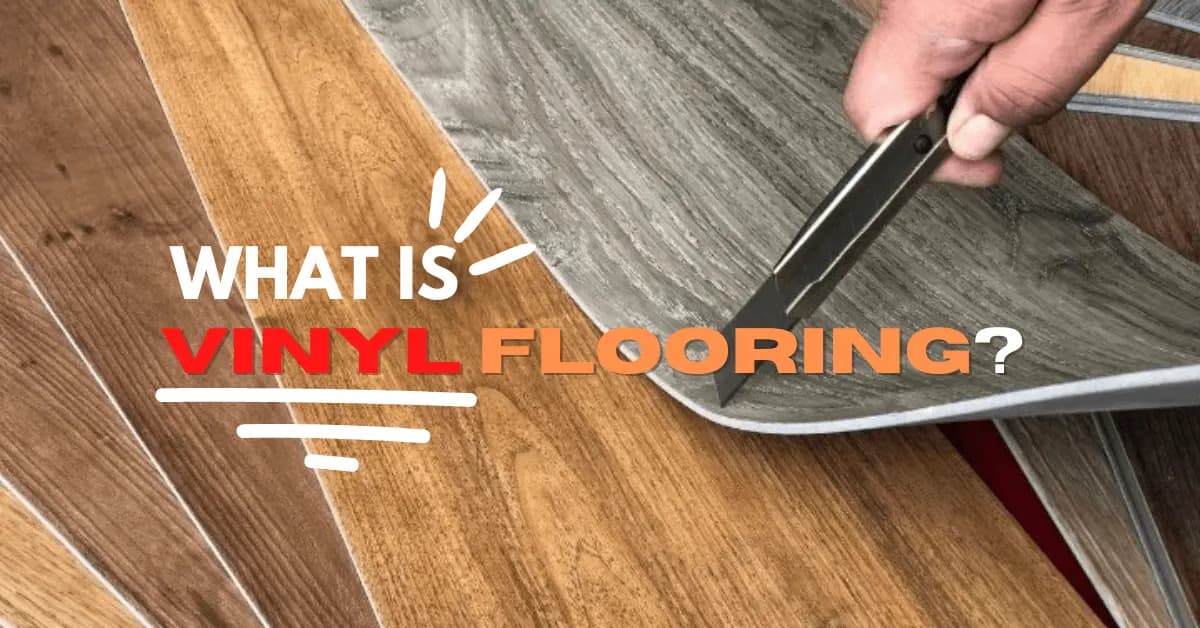
When it comes to consideration of the most affordable flooring options for homeowners, vinyl flooring and laminate flooring top the list each and every time. This is because of many reasons as we will see with vinyl flooring below.
What is Vinyl Flooring?
This is a type of a synthetic flooring material that is affordable, easy to install and durable.
Commonly confused with laminate and linoleum, vinyl tiles and planks have the ability to hold up in moist environments and have a stone tile appearance.
Vinyl Flooring Vs Laminate
Vinyl flooring and laminate flooring are almost similar. The main difference setting them apart is the presence of wood byproducts and resins in the core of laminate flooring materials.
Therefore laminate flooring give a more realistic look and feel of wood flooring than vinyl. But again, due to this factor, vinyl flooring materials stand out in terms of versatility and durability more than laminate because they consist of purely synthetic materials in their core and underlayment.
Composition of Vinyl Flooring
Vinyl flooring is usually made of 4 layers;
1. The Wear Layer
The upper most layer that protects the print layer from wear. This layer is made up of a clear urethane sealant, which determines its durability and water resistance characteristics.
2. The Print Layer
This is the second layer that gives the vinyl flooring its unique appearance visible through the wear layer.
3. The Core
These are waterproof stone plastic composites that give the vinyl the characteristics of either flexibility or rigidity.
4. The Underlayment
This is the bottom layer and is usually made of fiber, rubber or foam to provide extra cushioning and insulation.
Note that this layer can come either pre-attached to the vinyl or separately.

The wear layer may be the most important variable in vinyl flooring materials, as the thickness easily matches with the favorable installation environment of the flooring.
Wear Layer Thickness Factor
- 1–13 mil: best for average traffic areas, e.g. a typical home environment
- 14–20 mil: best for higher traffic areas, like homes that have children who play a lot or pets
- Over 20 mil: extreme traffic like schools, malls or churches
Pros
- Affordable
- Versatile
- Easy to install
- Variety of textures and colors
- Does not stain easily
Cons
- Difficult to repair in case of scratches, punctures or dents.
- It is purely synthetic and therefore will not achieve the 100% feel of hardwood or slate.
Frequently Asked Questions
- What is vinyl flooring and how is it made?
Vinyl flooring is a synthetic flooring material known for being affordable, durable, and easy to install. It consists of four layers: a clear urethane wear layer, a decorative print layer, a waterproof stone plastic composite core, and an underlayment for cushioning and insulation.
- How does vinyl flooring compare to laminate flooring?
Vinyl flooring is purely synthetic, making it more versatile and durable, especially in moist environments. Laminate contains wood byproducts, giving it a more realistic wood appearance, but it is less water-resistant than vinyl. For more details, see the Vinyl Flooring Vs Laminate section.
- What is the importance of the wear layer in vinyl flooring?
The wear layer protects the vinyl’s print layer and determines its durability and water resistance. Thickness varies from 1 to over 20 mil, with thicker layers suited for higher traffic areas like homes with children or commercial spaces.
- Is vinyl flooring suitable for high traffic areas?
Yes, vinyl flooring with a wear layer thickness of 14–20 mil is ideal for homes with children or pets, while over 20 mil is recommended for extreme traffic areas like schools or malls.
- What are the main advantages of installing vinyl flooring?
Vinyl flooring is affordable, versatile, easy to install, available in many textures and colors, and resists staining well, making it a popular choice for Kenyan homeowners.
- What are the disadvantages of vinyl flooring?
Vinyl flooring can be difficult to repair if scratched or dented, and because it is synthetic, it does not fully replicate the natural feel of hardwood or slate. For alternatives, you might explore 7 Cheap Flooring Options.
Comments
Plain-text comments only — no links. Comments appear after verification.
Loading comments…